
Pet Care App Development Insights for Modern Pet Needs
11 Dec 2025
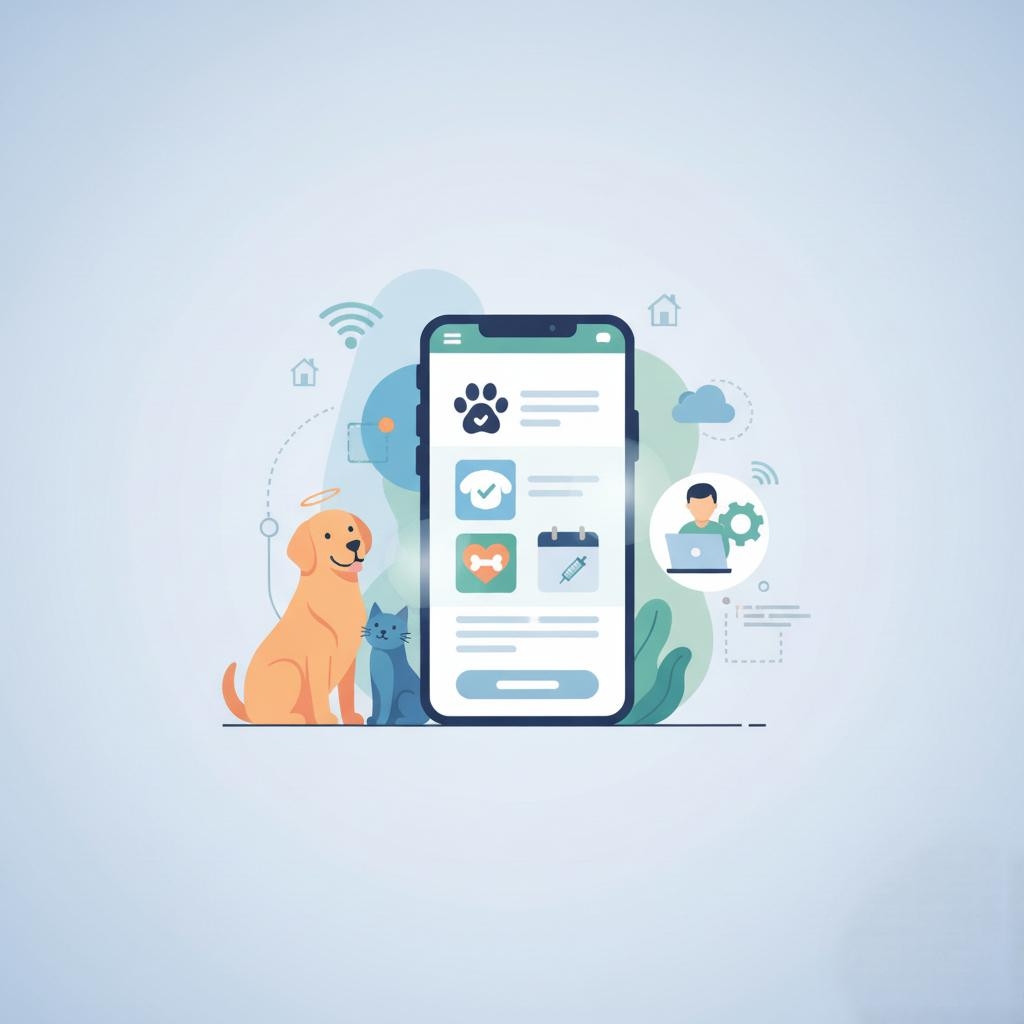
In recent years, more pet owners treat their furry companions as full-fledged family members. This shift has transformed pet care from a casual duty into a serious commitment to health, wellness and convenience. As a result, digital solutions that simplify pet care have surged in popularity — among them, pet care apps that combine health tracking, appointments, reminders and much more. If you are thinking about how a pet care app can serve today’s pet owners — or even exploring the idea of building one — this blog explores everything you need to know about pet care app development, why it matters, and what features make it truly useful.
By giving pet owners and developers a clear, practical guide to what pet care apps can do, this post aims to help users make informed choices and inspire developers to build solutions that genuinely support pet wellbeing.
Why Pet Care Apps Are Becoming Essential
Caring for a pet involves many little responsibilities. Keeping track of vaccination schedules, vet appointments, feeding routines, exercise, grooming, medical records and more can quickly become overwhelming — especially for busy people. A well-designed pet care app can turn all these tasks into manageable, stress-free routines. It brings convenience and assurance to pet ownership.
There is growing demand for such apps because pet owners increasingly treat pets as family members. People want to provide the best life possible for their pets, and that includes easy access to medical history, reminders for upcoming vet visits, proper nutrition plans, and tools to monitor exercise and activity. A digital pet care app provides a centralised place for all of that: pet profiles, health records, feeding schedules, reminders and even vet contacts. This eliminates the chaos of sticky notes, paper files and memory-based scheduling.
At the same time, from a developer or business viewpoint, there is a booming market for pet care apps. As more individuals look for digital ways to manage pet care, the opportunity to build reliable, feature-rich apps increases. Savvy developers can meet a genuine need while building something scalable, helpful and widely adopted.
What a Pet Care App Can Do for Pet Owners
A truly useful pet care app offers much more than basic scheduling reminders. At its core, it helps with three broad needs: health management, daily care routines and access to services.
First, on health management, the app should allow owners to maintain detailed pet profiles. That means not just the pet’s name, age, breed and weight, but also medical history, vaccination records, dietary restrictions and any ongoing health conditions. This kind of record-keeping helps owners make informed decisions about care and quickly reference past treatments or health events. A good app might also let users store documents — for instance, vaccination certificates or vet instructions — so that all important records are in one place. Many pet care apps available today emphasise this functionality because it addresses one of the biggest challenges pet owners face: keeping track of medical and care history.
Second, for daily care routines, a pet care app can include features such as feeding reminders, diet planning, and exercise tracking. Owners can set schedules for meals, track portion sizes based on pet size or health needs, and even create exercise routines with reminders for walks or playtime. This kind of consistency can dramatically improve a pet’s wellbeing and relieve owners of the mental load of remembering every detail. Some apps also offer activity trackers — useful for monitoring movement or walks for dogs, or play sessions for cats. These features can help ensure pets get regular exercise and appropriate diets.
Third, in terms of services, many pet care apps go beyond reminders and tracking. They offer booking systems for veterinarians, groomers or pet-care professionals. That allows owners to schedule appointments easily, check availability in real-time, and receive alerts or confirmations through the app. This saves time and makes it easier to manage multiple appointments — especially helpful for owners with busy lives or multiple pets. Some advanced apps may even offer in-app communication or consultations with vets or trainers, giving pet owners a direct line to professional advice.
Finally, the convenience of having everything in one place — contact details, reminders, records, service booking, health tracking — cannot be overstated. For many owners, having a pet care app feels like having an assistant for their pet’s wellbeing.
What It Takes to Build a Robust Pet Care App
Developing a pet care app is more than writing code. To deliver real value to pet owners — and to stand out among many apps — a clear understanding of pet needs, user experience and long-term maintenance is essential.
The first step is to define the scope and type of app you want to build. Do you want a health-tracking app, a vet-service booking platform, a diet and exercise planner, or a comprehensive all-in-one solution? The answer to that question determines what features you include, how the user interface should be designed, and what backend systems are required.
Once the type and scope are clear, the next step is to design a user-friendly interface. Pet owners come with varying levels of familiarity with technology; some may want simple reminders, others may need detailed health dashboards. The app UI should be intuitive and easy to navigate. Slow load times, confusing menus or complicated onboarding can frustrate users. Good design also means ensuring the app works smoothly on different devices, especially since many users will likely open it on a smartphone while on the go.
The features themselves need thoughtful implementation. For example, pet profiles should allow flexible input fields — to accommodate different kinds of pets and varying levels of user detail. Medical records should support document upload and clear viewing. Reminders and scheduling must be reliable, synchronising accurately with user calendars or internal app notifications. If you plan to support vet appointments or grooming bookings, the booking system must handle availability, cancellations, confirmations, and potentially payments. For apps that offer communication with professionals, secure chat or video call functionality must be integrated with proper privacy and data protection measures.
On the backend, data security and user privacy are critical. Because pet care apps may handle sensitive information — pet medical history, owner contact details, even payment information — developers must implement robust security: proper authentication, data encryption, secure storage, and compliance with relevant data protection norms. Additionally, the app should be designed for scalability and maintainability. As the user base grows and more pets are added, performance should remain smooth, and the systems should be robust against bugs or crashes.
Finally, quality assurance and testing are non-negotiable. Functionality tests, UI tests, performance checks and security audits are essential before a public release. Post-launch support and regular updates are also important to keep the app current, fix bugs, improve performance and possibly add new features based on user feedback.
The Benefits of Pet Care App Development for Pet Owners and Businesses
For pet owners the benefits are clear. A pet care app brings organisation, convenience and peace of mind. Health records, feeding schedules, vet appointments, grooming and exercise reminders all live in one place. For first-time pet owners or those with multiple pets such consolidation can drastically reduce stress. Rather than relying on memory or paper records, everything is stored digitally and accessible anytime. A good pet care app can also support better pet health outcomes by helping owners adhere to schedules and monitor activity and diet.
For businesses — developers, veterinary clinics, pet-service providers — creating or offering pet care apps opens new opportunities. A well-built app can act as a channel for reaching pet owners directly, offering services, scheduling appointments or consultations, and building long-term relationships. Service providers can manage bookings, clients and payments through the app. Pet product sellers, grooming salons or pet-friendly service providers can use apps to present services, handle reservations, and build customer loyalty.
Moreover, with pet owner expectations rising, an app that offers convenience, reliability and valuable features can stand out in a crowded market. For developers, this means there is room for innovation — niche services, customisation options, multilingual support, localised services. As pets are becoming more common in households across geographies, apps can also adapt to regional needs.
Challenges and How to Address Them
Developing a pet care app does not come without challenges. One major hurdle is understanding the diverse needs of pet owners. Pets vary widely in species, breed, size, age and health conditions. An app that works well for a dog may not suit a cat or other small pets. To be truly useful, the app needs flexible pet profiles and adaptable settings. Developers must anticipate wide variability and design accordingly.
Another challenge is maintaining accurate and meaningful health tracking. Pet health can be complicated, and an app can provide general reminders (vaccinations, feeding, vet visits) but cannot replace a vet’s expertise. Apps must avoid overpromising. Instead they should aim to assist pet owners with organisation, record-keeping and reminders — and clearly communicate that professional vet care remains essential.
Data security and privacy pose another concern, especially when the app stores sensitive information. Developers must comply with relevant regulations, secure user data, and be transparent about how data is used, stored and shared. Weak security or unclear privacy policies can erode user trust quickly.
Finally, user adoption and engagement can be challenging. Pet owners may download the app but not maintain regular use unless the app provides real, perceived value. To address this, apps need good onboarding, easy-to-use features, reminders and perhaps value-adding content like care tips, articles or community features. Regular updates, intuitive design and helpful content can keep users engaged over time.
Looking Ahead: The Future of Pet Care Apps
The future of pet care apps looks promising and dynamic. As technology evolves, so do possibilities for smarter, more integrated care solutions. We are likely to see apps that integrate wearable devices or smart collars to monitor pet activity, location and even vital signs. This could help owners keep constant track of their pet’s health and safety — especially useful for dogs that go for walks or roam outdoors.
Apps might integrate pet health analytics, offering insights based on activity, diet, weight and health history. With enough data, such apps could suggest diet changes, exercise plans or remind owners of preventive care. For pet services businesses, apps could evolve into full-fledged platforms offering vet appointments, grooming, training, boarding and even social or community features for pet owners to connect, share experiences and get advice.
We may also see growth in regional and localised pet care apps — ones that understand local vet availability, local laws or regulations, and local pet services. In countries where pet ownership is rising rapidly, such localisation could offer real value.
Moreover, as pet owners increasingly demand convenience, apps that integrate e-commerce — for pet food, accessories or booking pet-friendly services — could become more common. This would make a pet care app a one-stop solution for virtually all pet-related needs.
Conclusion
Pet care apps are not a trend — they are a response to the changing relationship between pets and owners. As people treat pets like family members, the need for better organisation, easier access to services and improved care solutions increases. A well-designed pet care app meets that need by combining convenience, reliability and thoughtful features in one place.
For pet owners the benefits are many: organised health records, scheduled reminders, exercise and feeding plans, easy booking of services — all accessible from a smartphone. For developers and pet-service providers, building pet care apps offers a chance to create meaningful tools that support pet welfare, simplify operations and build relationships with users.
At the same time, delivering a truly valuable app requires thoughtful planning: flexible design, reliable features, robust data security and ongoing support. But with careful execution, pet care app development can create tools that make life easier for pet owners and improve the lives of pets themselves.
For anyone exploring this space — whether as a pet owner or as a developer — now is a great time to think seriously about what a pet care app can do and begin planning carefully. The future of pet care is digital and thoughtful.