
Innovative Pet Care App Development for Companion Wellness
17 Dec 2025
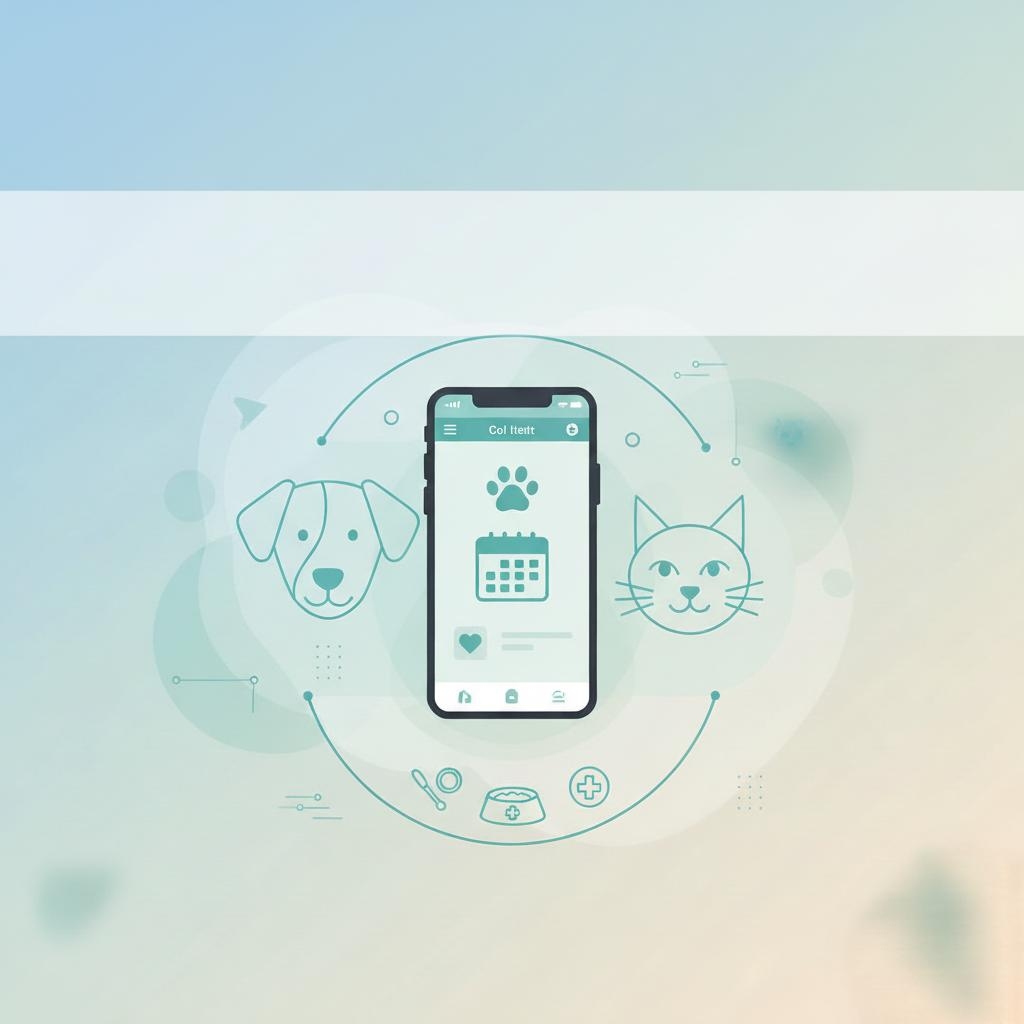
In today’s world, pet ownership is evolving beyond a simple day-to-day responsibility. People treat their pets as cherished family members, and they expect the same kind of attentive, organised care they would for any human family member. A well-designed pet care mobile app can help meet these expectations by offering tools to manage health, nutrition, grooming, exercise, vet visits, reminders, tracking and social connection. Through the development of pet care apps, owners can enjoy peace of mind, convenience, and better care for their companions. In this post I will explore what pet care app development involves, why it matters, how such apps are typically built, and what features make them especially useful.
Why Pet Care App Development Matters
The demand for pet care mobile apps has been rising rapidly in recent years, as more people around the world adopt pets and seek better, more organised ways to care for them. The global “pet tech” and pet care app market is expected to grow significantly over the next few years. Many pet owners now see technology as a natural extension of responsible pet care, using apps to track medical history, schedule vet appointments, monitor nutrition and activity, store records, set reminders, and receive guidance.
This shift is rooted less in novelty and more in practicality. Modern lifestyles are often fast and busy. Between work, errands, family obligations and other commitments, it can be hard to remember every vaccination date, feeding schedule, exercise need or vet appointment. A mobile application consolidates all these tasks into one accessible tool. It empowers pet owners to stay organised, proactive and informed — which in turn supports better pet well-being.
At the same time, the rise of remote services, telehealth and on-demand access to pet services (such as grooming, walking, vet consultations, eCommerce for pet supplies, and pet-sitting) means there is real value for service providers to offer digital solutions. That makes pet care app development both a socially meaningful initiative and a viable business opportunity.
What is a Pet Care App
At its core, a pet care app is a mobile application designed to help pet owners manage nearly every aspect of pet care and pet ownership. This can include maintaining health records, tracking feeding and nutrition, scheduling and reminding vet visits, booking grooming or walking services, connecting with veterinarians or trainers, monitoring activity or location, shopping for pet supplies and even social networking among pet owners.
Different apps may specialise in different types of functionality depending on the user’s needs. Some may focus on health and medical management, others on activity and fitness tracking, some on booking services (like grooming or walking), and yet others on community or social features. There are also hybrid apps combining multiple functionalities so that owners have a comprehensive tool at their disposal.
Because pets — like humans — have varied and evolving needs, the ideal pet care app offers flexibility: the ability to handle multiple pets, store a wide range of records, adapt to different species, and scale with the owner’s changing lifestyle.
Core and Advanced Features of Pet Care Apps
A successful pet care app typically incorporates a variety of core and advanced features to address the real-world needs of pet owners, caretakers and service providers. Some of these features are now considered essential, while others provide added convenience or competitive advantage.
A fundamental feature is pet profile creation. This involves letting the user create detailed profiles for each pet — capturing name, breed, age, weight, gender, colour, medical history, vaccination dates, allergies, dietary needs, behaviour notes, and more. A well-designed profile system allows users to manage multiple pets easily.
Another core feature is records storage and management. Owners can store medical records, vaccination certificates, vet visit history, prescriptions, groomer receipts, and other important documentation. Having all records organised in one place makes it easier to track pet health over time and share information when needed.
A clean, intuitive dashboard is vital. It serves as the central hub where pet owners see upcoming reminders (e.g. vaccination, vet check-ups, grooming), feeding schedules, activity logs, alerts, and other updates at a glance. Good dashboards help reduce cognitive load and make pet care feel manageable.
Nutrition tracking is another key feature. Many owners want to track their pet’s food intake, dietary needs, portion sizes, allergies or intolerances, and water intake. This is especially useful for pets with special diets or health conditions. When combined with feeding reminders and dietary logs, the app becomes a powerful tool for maintaining optimal pet health.
For pets that need regular exercise, activity tracking and walking scheduling help owners plan and monitor walks, playtime, training sessions, or exercise routines. Some apps may also support GPS tracking for outdoor activities or walks to ensure safety and allow owners to monitor location if needed.
An important and increasingly popular feature is connection with veterinary services or other pet-care professionals. This can include online appointment scheduling, in-app chat or video consultation, virtual vet visits, booking grooming or pet-sitting services, and more. For many busy owners or those in remote areas, virtual vet consultations through the app can be a lifesaver.
Push notifications and reminders add significant value. They can remind owners about feeding times, walks, medication, vaccinations, vet appointments, prescription refills or grooming sessions. Automatic alerts help ensure nothing important is forgotten even during busy days.
More advanced and optional features might include in-app eCommerce integration (pet food, supplies, accessories, medications), social or community features (connecting with other pet owners, sharing photos or tips, finding local events or pet services), emergency panels for urgent contact (vets, animal hospitals), and inventory management (food stock, accessories).
The combination of these features depends on who the app is for. An app focused purely on pet owners will emphasise profiles, records, reminders, nutrition and vet connection. A more comprehensive app might offer added services like grooming booking, pet walking, social networking, eCommerce and pet-sitting.
Process of Pet Care App Development
Developing a pet care mobile app is not merely a matter of coding features. It involves a deliberate and structured process, guided by user needs, market research and careful planning.
At the outset is market research and idea validation. It is essential to understand the needs of pet owners in the target region, the gaps in existing solutions, which platforms they use, what kind of pets they own (dogs, cats, others), typical behaviours, and what features they value most. A strong understanding of user personas helps shape which features to include.
Next comes feature planning and prioritisation. Based on research, decide which functionalities are core (must-have) and which are nice-to-have or advanced. This prioritisation helps in managing development timelines, costs, and ensuring a Minimum Viable Product (MVP) can be delivered without overcommitting resources.
Then UI/UX design is crucial. A pet care app must be intuitive, friendly, easy to navigate, and visually appealing — especially since users may be under stress when managing pet health or emergencies. Animal-centred design principles, clear dashboards, straightforward navigation and easily accessible records help make the app useful and pleasant.
After design, the development stage begins: building the backend (server, database), APIs, then frontend (mobile app interface). Many developers choose frameworks that support cross-platform deployment (so the app works on both Android and iOS), though native development remains an option when performance and customisation matter.
Once the core app is built, rigorous testing must follow. Functional testing, performance testing, security testing (especially if the app handles sensitive data like medical records or payment data), compatibility across devices, and usability testing are all essential. Testing ensures reliability, builds user trust, and supports long-term user retention.
An MVP approach is often wise: launching first with essential core features so that early users can begin benefiting, feedback can be collected, and improvements or additional features can be gradually introduced. This helps balance cost, risk and time-to-market.
Finally, after launch, ongoing maintenance, updates, performance optimisation, and user support are necessary. Pet care needs change over time. New pets may be added, requirements may evolve, and it is important that the app continues to meet users’ real needs and remains secure and reliable.
Challenges and Considerations in Building Pet Care Apps
Like any software project, developing a pet care app comes with challenges and trade-offs. One major concern is data security and privacy. Pet care apps often store sensitive data: medical records, vaccination histories, personal contact information, payment data, and sometimes location data. Ensuring secure login, encrypted data storage, secure APIs, and safe data transfers is vital to gain users’ trust and comply with privacy standards.
Connectivity and integration with external devices or services can also be a challenge. For example, GPS tracking may require integration with wearable devices or collars. Online vet consultations may involve real-time video, which needs stable network connectivity. If the user’s environment or region has poor internet connectivity, such features may be limited or unreliable.
Cost and resource constraints are also factors. The more features you add — such as eCommerce, real-time GPS, video calls, in-app chat, multiple services — the higher the development time, complexity and cost. It may take substantial effort to deliver a polished, fully functional app.
Another consideration is usability across different types of pets and owners. Not all pets are the same — dogs, cats, birds, exotic pets — and not all owners have the same needs. Owners of multiple pets need flexible profile and management options. Users with less technical comfort require simplified, intuitive design. Balancing flexibility with simplicity is a key design and development challenge.
Finally, competition is strong. Many pet care apps already exist, and to stand out, an app needs more than just basic features. It must provide reliability, ease of use, outstanding user experience, and possibly services that existing apps lack. Understanding gaps, innovating around user needs, and staying updated with pet-care trends is vital.
What the Future Might Hold for Pet Care Apps
As technology advances, pet care apps will likely become more sophisticated and integrated with other pet tech products. Wearable devices (smart collars, trackers, health sensors), Internet of Things (IoT) enabled accessories (smart feeders, automated litter boxes, temperature sensors for pet spaces), and even AI-driven health analytics could become common. Combined with a well-designed app, these innovations could let pet owners monitor health, behaviour, nutrition and environment in real time — offering a holistic approach to pet wellbeing.
Telemedicine and virtual vet consultations, already increasingly popular, are set to continue growing. For instance, platforms that allow pet owners to talk to licensed veterinarians via video or chat may become more widespread — especially valuable for routine advice, minor ailments, behavioural consultations, or after-hours emergencies.
Integration with pet supply eCommerce, pet-sitter or dog-walking services, grooming, boarding, and other services could turn pet care apps into comprehensive ecosystems — one-stop solutions for pet owners. Over time, such platforms may handle everything from nutrition, scheduling, health, training, social connection, to everyday care tasks.
Personalisation driven by machine learning or AI could also deliver tailored recommendations for diet, exercise, vaccination reminders, behaviour tips — all adapted to a pet’s breed, age, health history, lifestyle and owner preferences.
What Makes a Great Pet Care App for Users
From a pet owner’s perspective, a great pet care app is one that feels like a trusted companion rather than a tool. It anticipates real-life needs, simplifies daily care routines, reduces stress, and adds value beyond convenience.
First, it should have strong reliability and security. Users must trust that their pet’s medical data, their own information, and any payment data are safe. They must also trust that reminders, notifications and data backup will work reliably.
Second, ease of use is essential. Not all pet owners are tech-savvy. The app should have a simple interface, clear navigation, and intuitive onboarding — making it easy to create pet profiles, add records, schedule tasks, and understand dashboards.
Third, flexibility matters. Many pet owners have more than one pet. Some pets have special needs. Users might want to track health for a cat, schedule walks for a dog, and track nutrition for a bird — all in one place. A good app must adapt to multiple pets, species, and care routines.
Fourth, value-added functionality helps. Features like vet contact, reminders, scheduling, activity tracking, eCommerce, and community/social features make the app more than a digital diary — it becomes a platform that supports all aspects of pet parenting.
Finally, a sense of companionship and trust. For many users, pets are family. An app that helps them care better for their pets fosters emotional reassurance, support, and engagement — ultimately strengthening the bond between pet and owner.
Why Businesses or Service Providers Should Consider Pet Care App Development
From a business perspective, investing in a pet care app can be highly valuable. The growing number of pet owners worldwide, increased pet adoption, busy lifestyles, and rising demand for convenience and remote services mean there is a ready and expanding market. An app can help service providers — veterinarians, groomers, pet sitters, pet supply stores — reach pet owners directly, provide value, build loyalty, and scale operations.
An app also provides a centralised platform where pet owners can book services, purchase items, access virtual consultations, manage schedules, and receive reminders. This streamlines operations, reduces friction, and can boost customer satisfaction.
Moreover, with careful design and development, an app can offer a competitive edge — whether through offering unique combinations of features (health tracking, eCommerce, social community), providing seamless user experience, integrating with pet services, or leveraging emerging technologies such as IoT, AI, GPS tracking, and tele-veterinary services.
For businesses investing in pet tech or pet-related services, building a custom pet care app can represent both a meaningful service to pet lovers and a solid business opportunity.
Why Transparency, Expertise and Safety Matter in Pet Care App Development
Because pet care apps deal with sensitive data — health records, medical histories, user identity, possibly payment information — transparency, data security and regulatory compliance are not optional. A responsible pet care app developer must ensure data security, secure authentication (for example OTP login or secure sign-up), encrypted storage, safe APIs and safe communication protocols. This builds trust, which is essential for any app dealing with animal health and owner responsibilities.
At the same time, expertise in pet care domain — veterinary practices, understanding of pet health norms, nutrition, behaviour, etc. — matters. An app developed purely from a technical perspective may miss nuances that are important for pet well-being. If the app supports vet consultations, the professionals involved must be qualified and credible. If the app gives dietary or health suggestions, they must be based on real veterinary knowledge or curated with expert guidance.
Finally, reliability and ongoing support are critical. Pets grow older, their needs change, new issues arise. A good pet care app must plan for version updates, bug fixes, evolving features, data backup, user support, and possibly compliance with regional regulations related to animal health.
Conclusion
Pet care app development represents the intersection of love for pets, modern convenience, technology, and responsibility. For pet owners, such apps offer a practical, value-adding way to manage health, nutrition, exercise, appointments and services — reducing stress, increasing peace of mind, and enabling better care. For businesses and service providers, a well-built pet care app can become a powerful platform to reach pet owners, provide services, and build long-term relationships.
In a world where pets are increasingly valued as family members, pet care apps help translate that love into thoughtful, consistent, and organised care. As the pet-care market grows and technology evolves, investing in pet care app development is more than a trend — it is a meaningful way to elevate pet wellbeing and support pet owners in giving their companions a healthier, happier life.